Bishop Martin Church of England Primary School
English
Our Vision for English
The Bishop Martin English curriculum is built around the National Curriculum, enriched to reflect our children and our local community.
The overarching aim for English is to promote the high standards of language and literacy by equipping pupils with a strong command of the spoken and written word, and to develop their love of literature through widespread reading for enjoyment, drawing upon the wider curriculum. This, in turn, helps build a rich curriculum where intent and implementation leads to the impact and improved outcomes for children.
As part of the English curriculum, children develop their skills in Speaking and Listening, Reading and Writing, which also includes spelling and handwriting. English is taught explicitly through daily lessons and is built upon throughout the wider curriculum. In addition, we have daily whole class reading sessions (READ) which focus on teaching the key reading skills linked to the content domain areas.
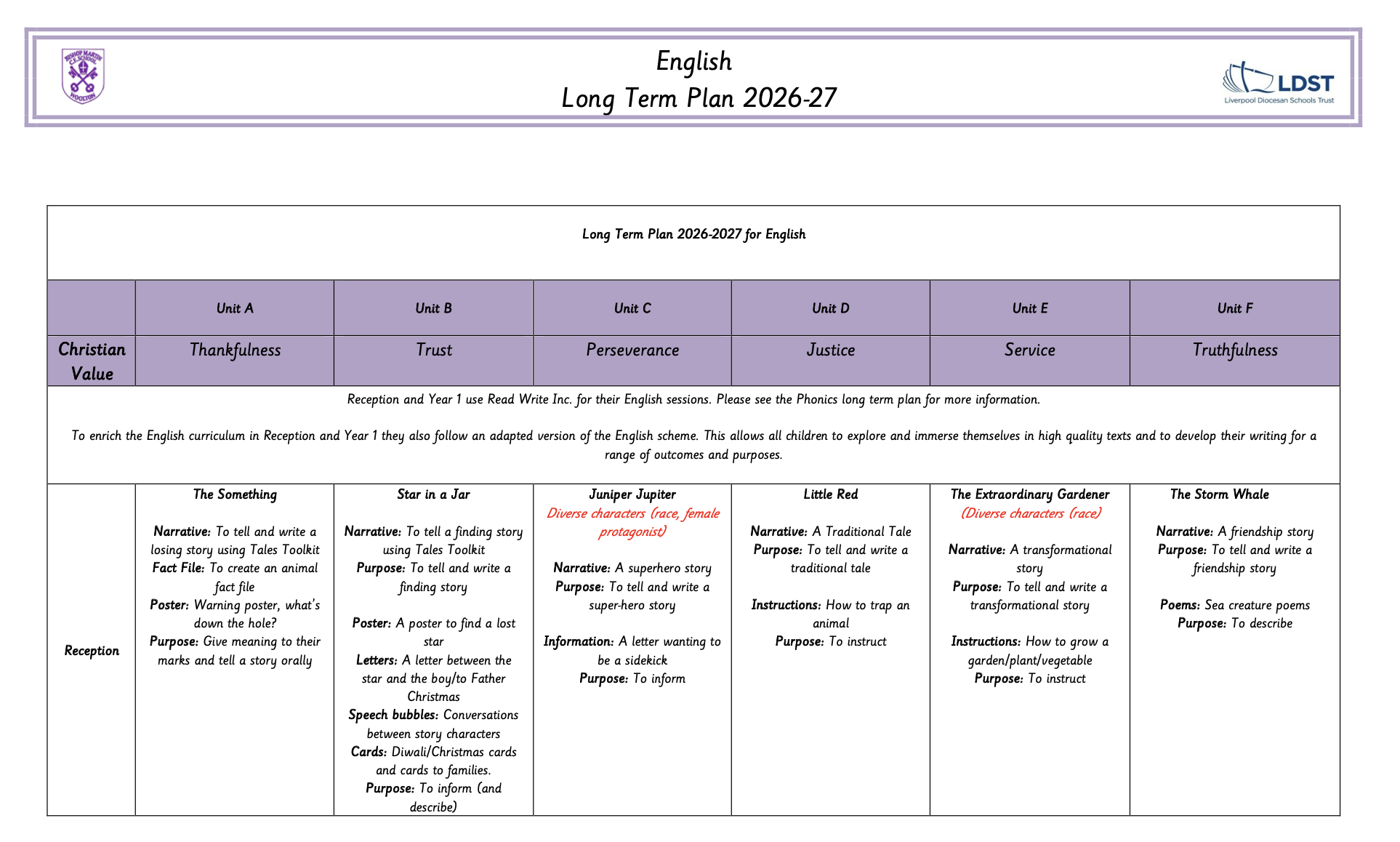
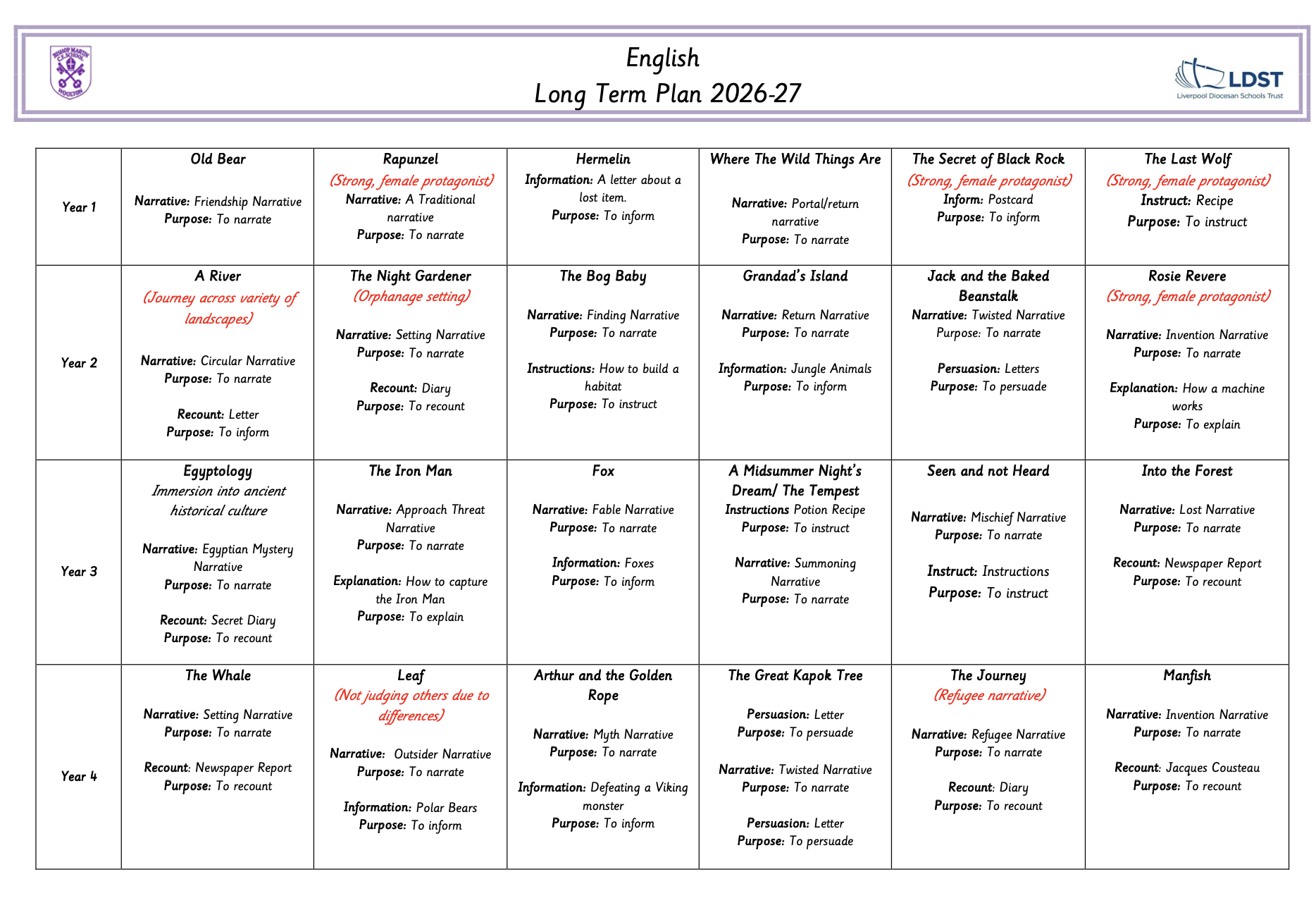
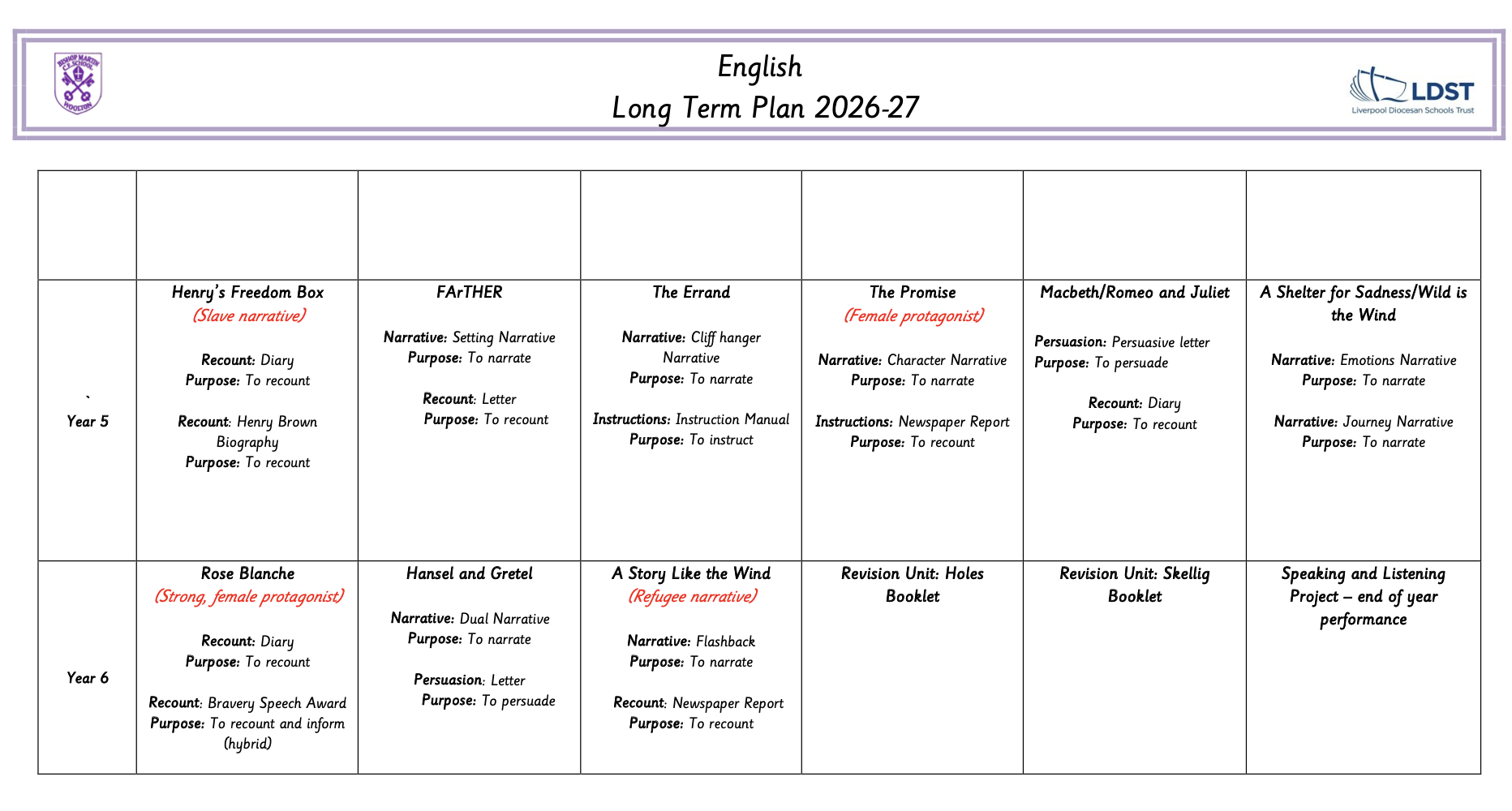
Read to Write
At Bishop Martin, we work hard to make sure that children have a love of books and literature and we're very proud that so many of our children enjoy reading; we have achieved the Liverpool Reading Quality Mark - Gold Award. Each class, from Reception to Year 6, will study a different class text each half-term and this is supported by the Read to Write programme. These high-quality texts are used throughout our English lessons and, where possible, link to other curriculum areas.
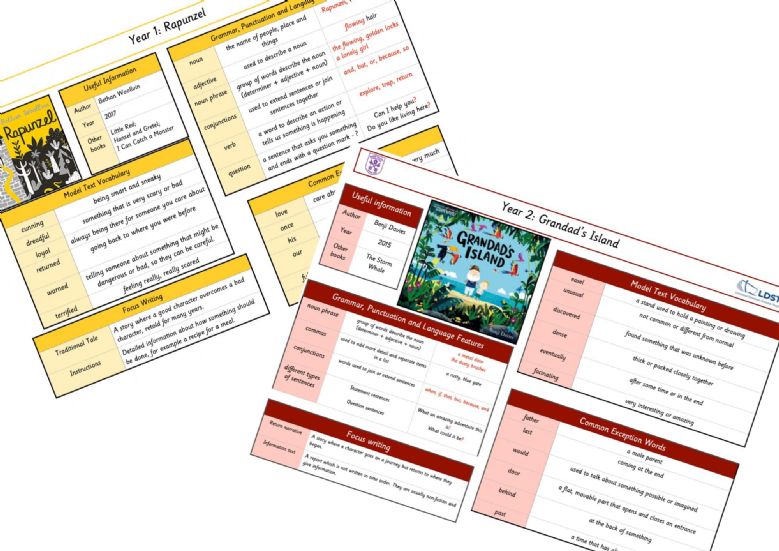
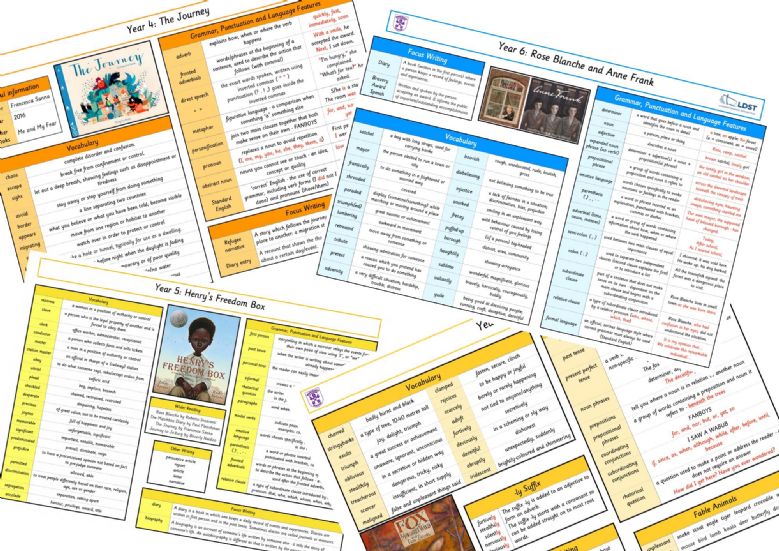
Read to Write (Literacy Counts) provides high-quality teaching of writing through high-quality literature. From Reception to Year 6, these detailed units of work centre on engaging, vocabulary-rich texts, with a wealth of writing opportunities within and across the curriculum. They also provide clear, sequential episodes of learning; contextualised spelling, grammar and punctuation; wider reading for the wider curriculum; curriculum enrichments for all year groups; model texts linked to writing outcomes and a wealth of supporting resources.
A sample of Knowledge Organisers are below but you can find all English knowledge organisers on individual class pages.
Steps to READ
Steps to READ is a teacher-led, whole class shared reading session held in Years 2-6. We use discussion, questioning and engaging activities relating to the content domain areas to develop reading skills for all children. The books used for this have been carefully mapped out to link to our history, geography and science curriculums.
We supplement this scheme of learning with the whole class study of novels selected from a wide range of increasingly challenging, high-quality literature. This provides children with further opportunities to discover a diverse range of authors from different historical and cultural contexts.
The Bishop Martin Reading Spine
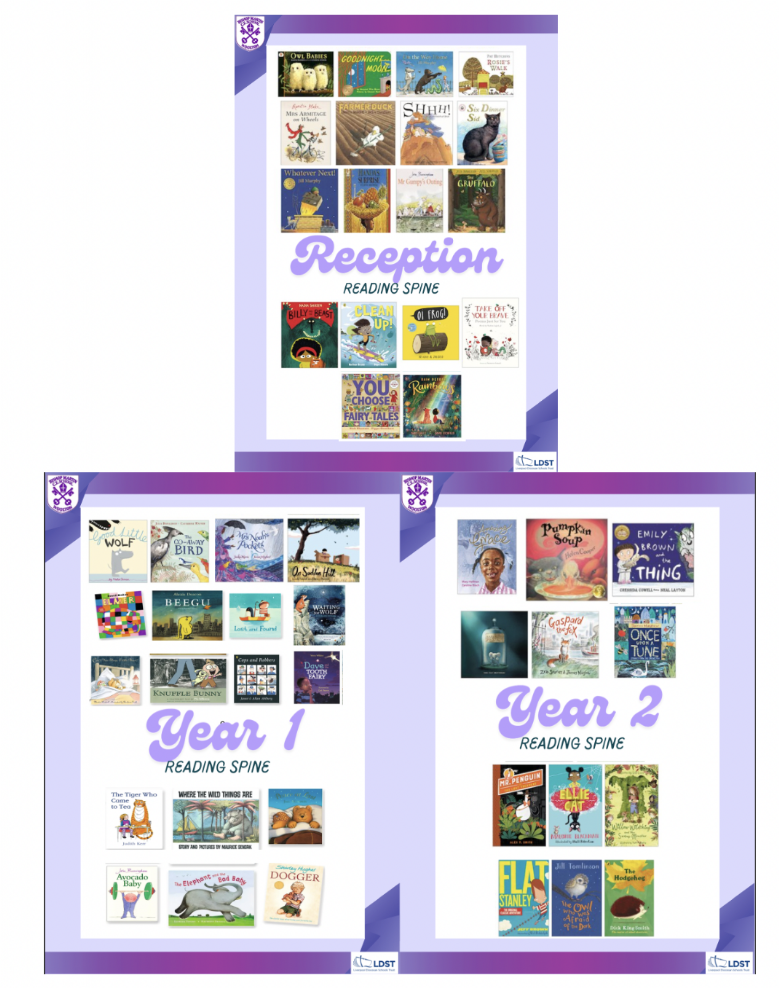
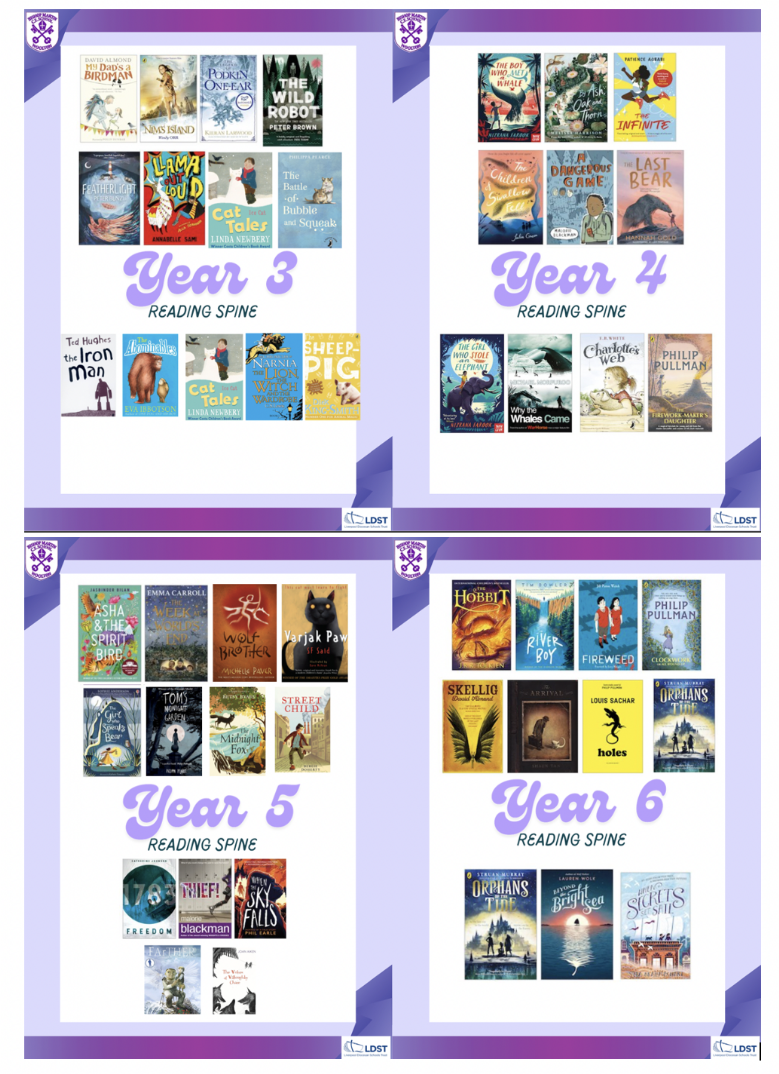
The Bishop Martin Reading Spine is a core of books that create a living library inside a child’s mind. It is a store of classics and essential reads that help children engage at a deeper level and enter the world of the story.
Selected by literary expert Pie Corbett, we are now using this Reading Spine to:
- Bring reading to life with a classic read aloud programme
- Foster a love of reading with the best-loved books
- Deepen comprehension and teach drama and writing by drawing on the core books
Great stories build our language because around 75% of vocabulary comes from reading. Our common bank of stories aim to inspire and enthuse children to develop their imagination and equip them with language. All of these texts are available for children in school and displayed for them to select and read over the course of the year.
Please see the attached ‘Bishop Martin Reading Spine’ document for more information relating to these high-quality, recommended texts for each year group (Reception to Year 6). We would ask that all children at Bishop Martin read these books over the course of their respective year and they are all made available for children to take home as their home reader, in addition to a wide variety of fiction, non-fiction and poetry books found in class libraries.
Early Reading and Phonics
We believe that high quality teaching of Phonics is the key to developing independent readers and this is given the highest priority. We want ‘every child to be a reader’ and we implement a rigorous and sequential approach to developing speaking and listening and teaching reading, writing and spelling through systematic phonics.
Phonics is taught daily as a discrete lesson and we use Read Write Inc. as a core scheme to teach synthetic phonics which is multi-sensory, exciting and engaging. The Read Write Inc. sessions follow a set structure with a focus on reading, spelling and handwriting. During the Foundation Stage and Key Stage 1 children develop their phonic knowledge and skills and apply these in both reading and spelling. As developing readers, children are encouraged to use a wider range of strategies to aid decoding of text and to enhance their understanding of material across a range of genre.
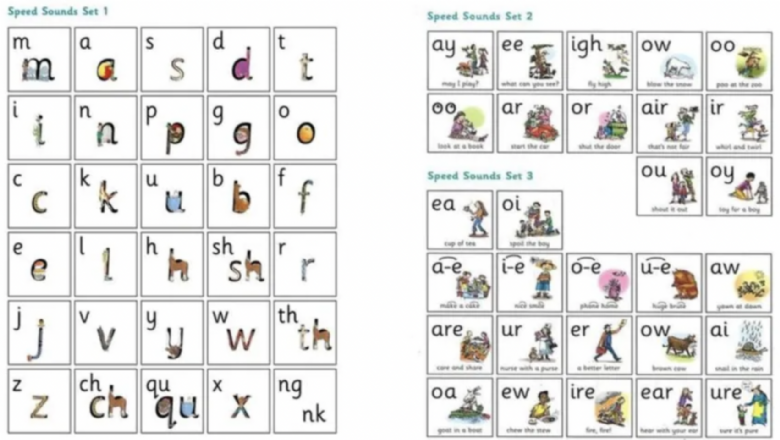
Please see the Read Write Inc. - Parent guide to books on our Reading and Phonics page for how to help your child access the RWI books at home. You may also wish to view the links below to see how you can support your child at home:
As well as this, Phonics Play is a website packed with interactive phonics games and many different resources to help your child use their phonics skills in reading.
Home Reading Books
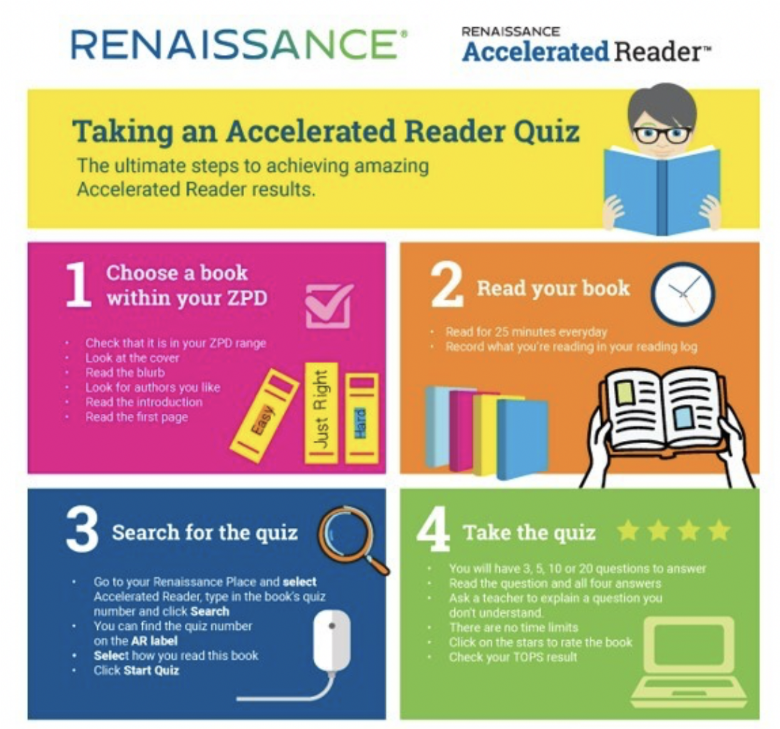
Children from Year 2 to Year 6 choose and read books linked to the Accelerated Reader programme as their home reader. Each book has been carefully selected for individual understanding of reading comprehension and children select these according to their own, individual ZPDs (Zone of Proximal Development). This is based on an initial reading assessment children complete at the beginning of each term, via the Accelerated Reader website (Star Reading assessment).
Children who are following the Read Write Inc. Programme take home a copy of the book that they have been reading in school. The children read the book three times over a week in school. For the first read, the children are focusing on accuracy; the second read, the children are focusing on fluency and the third read the children need to use their best 'Storyteller' voice. By the time that children take their book home, they are celebrating the progress they have made with their reading. The children will change their books when instructed by adult. Children are to bring these books in everyday so they can read their book to an adult if necessary or read if directed by a teacher.
In addition to this, children following Read Write Inc. across EYFS and KS1 will also take home a story book of their choosing to enjoy at home. Although developing children to become fluent and confident readers is a priority, we believe the children should still also be sharing stories rich in language and creativity.
Reading Reward Scheme
This year, we are very excited to launch The Bishop Martin Reading Passports .
Our aim is to inspire children to develop a lifelong love of reading by turning their reading journey into an exciting adventure with a new passport each term. Each term has its own special theme, and children will earn stamps in their passport for the number of times they read at home. These stamps will be added directly into their reading record passport so you and your child can track their progress together.
How it works:
- Every five reads at home earns your child a stamp.
- Stamps build towards a bigger reward at the end of each term.
- Reads are counted from home reading recorded and signed in the child’s reading record.
Our Reading Adventures
Autumn Term – Discover Liverpool (65 Reads)
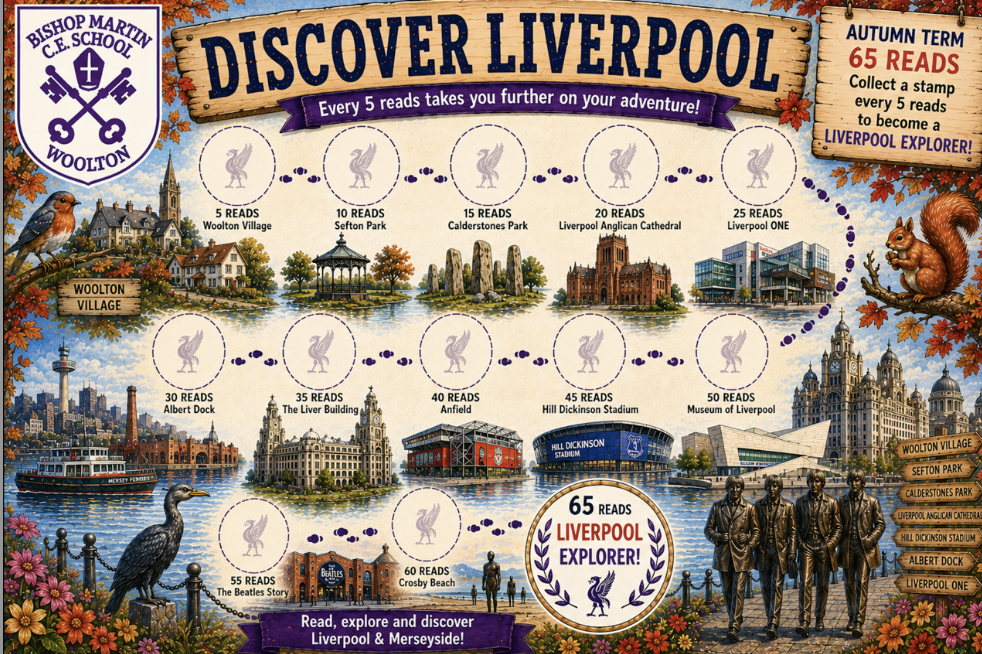
Children will travel around our city to explore well known places and landmarks all around Liverpool- children might even be able to visit these places with you! 65 reads would enable children to become a Bishop Martin Liverpool Explorer.
Spring Term – Across Britain (55 Reads)
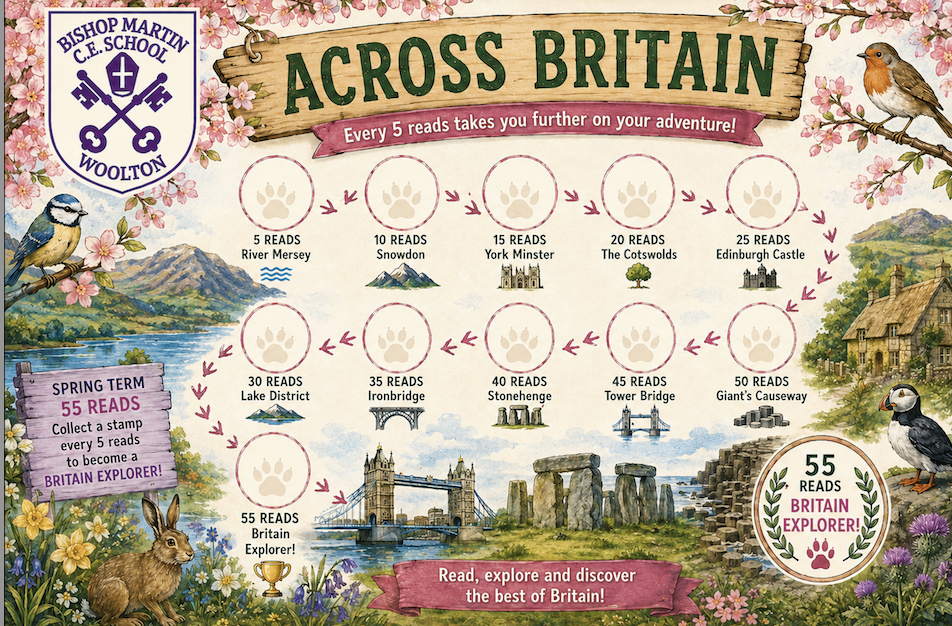
Children will travel around Britain, visiting famous landmarks and locations from across England, Scotland, Wales and Northern Ireland as they work towards becoming a Bishop Martin Britain Explorer.
Summer Term – Around the World (65 Reads)
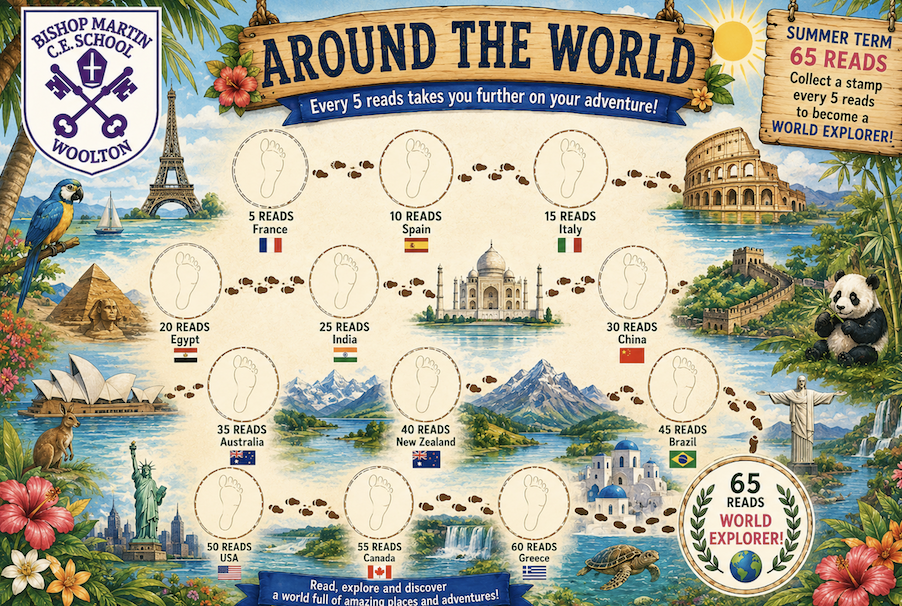
Children will continue their adventure across the globe, visiting different countries and famous places as they work towards becoming a Bishop Martin World Explorer.
We hope this year-long challenge will make reading at home a fun and motivating adventure. Please continue to encourage your child to read daily and record each session in their reading record so that their efforts can be celebrated with stamps in their pqassports along the way.
Handwriting
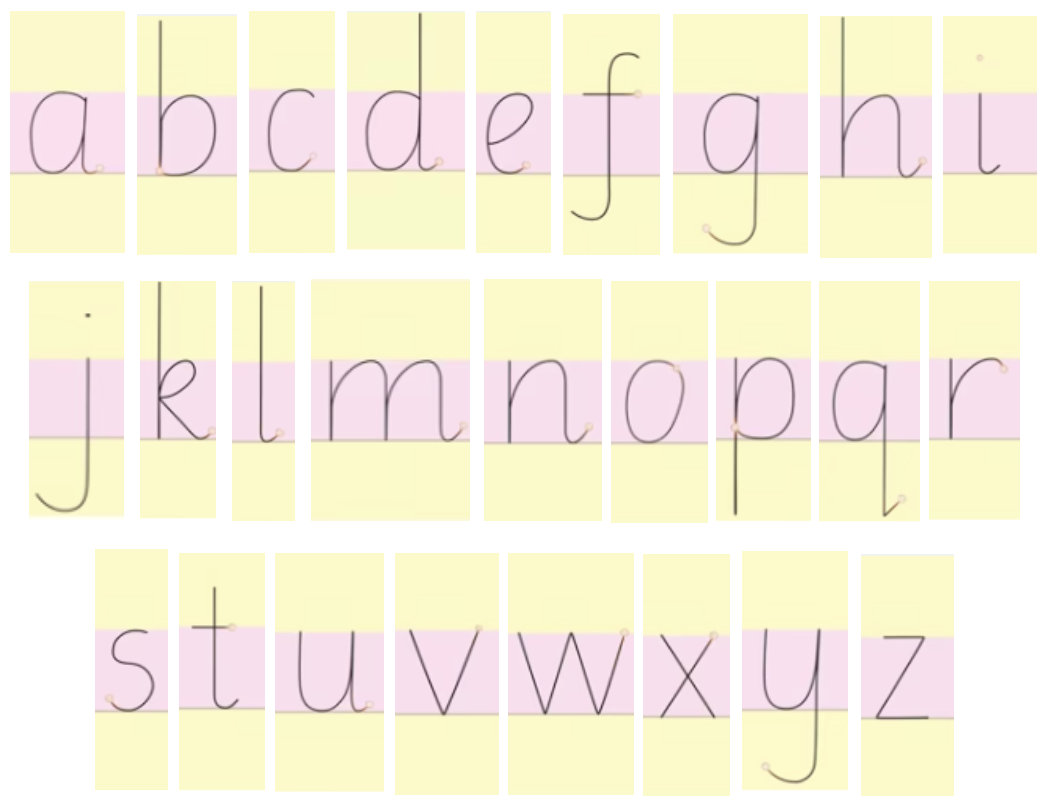
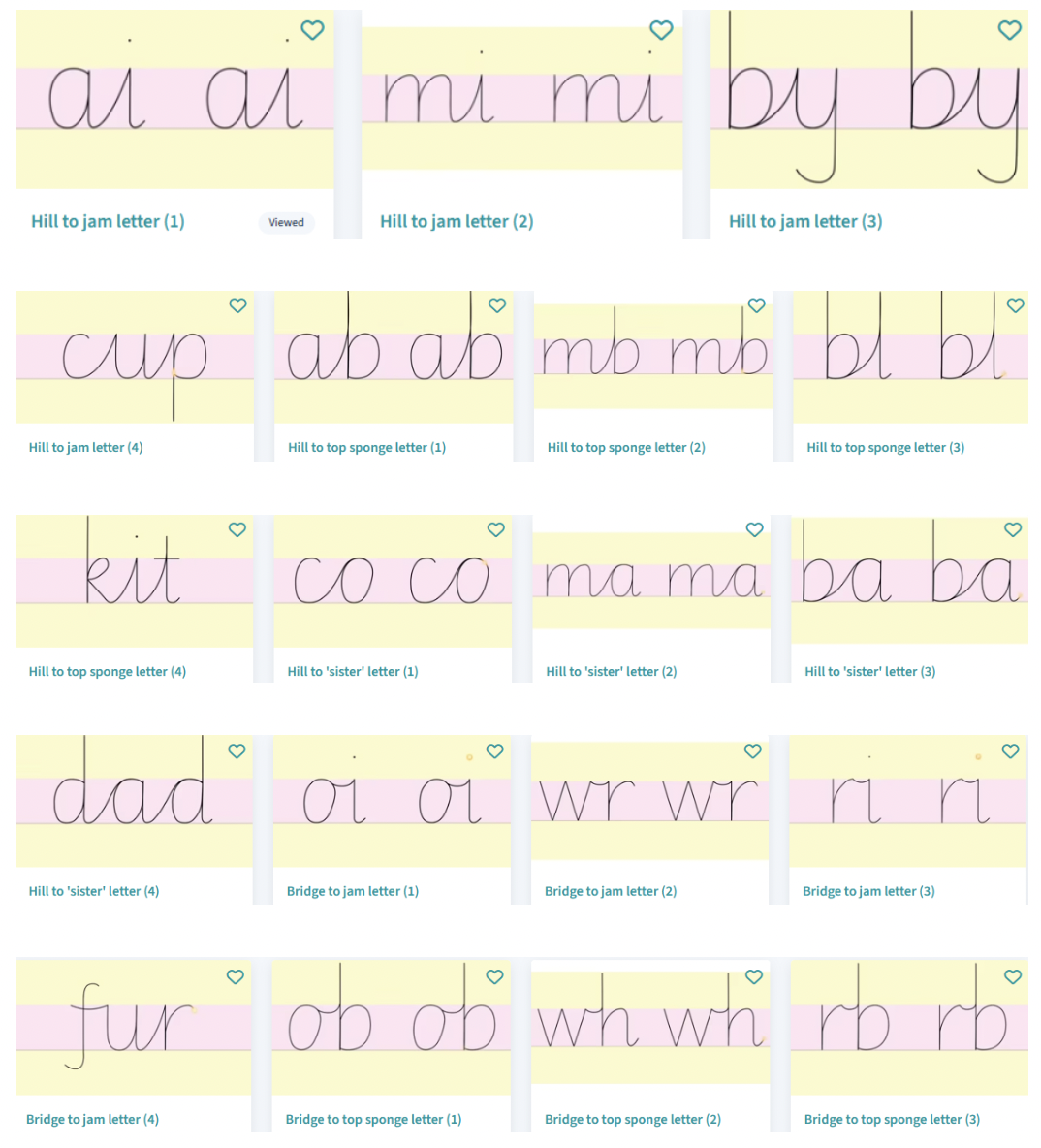
Alongside Read Write Inc. handwriting development, we use the Read Write Inc. Handwriting programme Letter Village to help our children develop fluent, confident and legible handwriting. The programme provides a consistent, structured approach from Reception onwards, teaching children how to hold a pencil correctly, form letters accurately and develop the correct size, spacing and joins. Through short, regular handwriting sessions and memorable visual cues, children gradually build their handwriting fluency and develop a joined style.
We chose Read Write Inc. Handwriting because it complements our Read Write Inc. Phonics programme, allowing children to make strong links between the sounds they learn to read and the letters they write. Most importantly, we want every child to develop handwriting that is automatic and fluent, so that they can focus their attention on expressing their ideas and becoming confident, enthusiastic writers.

Useful websites for home use
- BBC English for Key Stage 1
- BBC English for Key Stage 2
- Reading Eggs
- Online Dictionary
- Click here to find a book using Accelerated Reader Book Finder
- https://childrens.poetryarchive.org
- Word Grammar
- KS1 English
- KS2 English